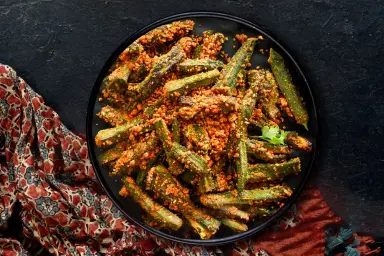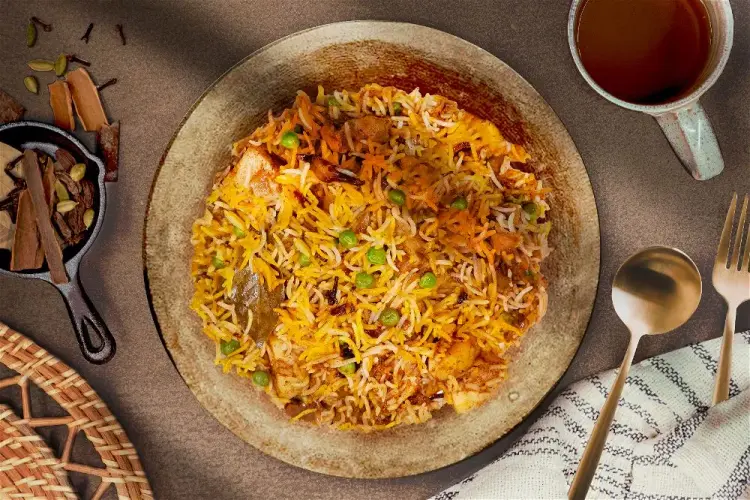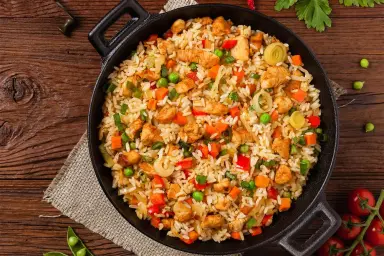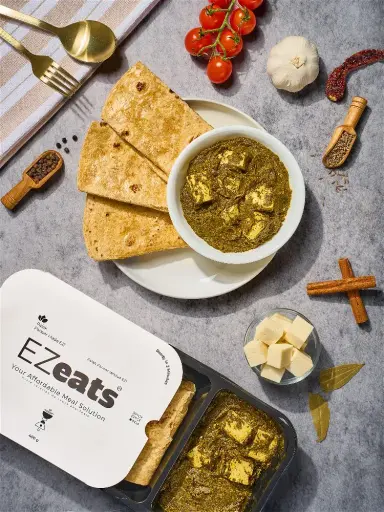
Popular Cooking Techniques Used in Indian Food
Unlock authentic Indian flavor at home with the popular cooking techniques used in Indian food. From tadka (tempering) to dum (slow cooking), these strategies help busy professionals, students, and families in the GTA prepare restaurant-quality meals quickly and affordably.
- Master foundational techniques like tadka (tempering), bhuna (slow sauté), and dum (slow cooking) to instantly elevate everyday meals to restaurant quality.
- Prep ingredients like a pro by organizing spices, aromatics, and proteins ahead of time for quick, stress-free cooking on busy nights.
- Choose fresh, locally-sourced produce and Halal-certified proteins for unbeatable authenticity, food safety, and inclusive dining.
- Build a reliable Indian pantry—keep essentials like lentils, rice, whole spices, and ghee on hand for instant, affordable meal flexibility.
- Leverage modern shortcuts such as pressure cookers, Instant Pots, and batch-prepped spice blends to save time without sacrificing taste or tradition.
- Balance flavours with finishing touches—always taste as you go, adjusting with fresh herbs, lime juice, or a touch of garam masala for vibrant, balanced results.
- Avoid common beginner mistakes by treating spices gently—heat oil before adding them, watch for sizzling, and never rush the process for richer, deeper flavours.
- Celebrate efficiency and community: Use tips from EZeats customers, chef-curated shortcuts, and trusted online tutorials to bring authentic Indian meals to your table in under an hour.
Discover how these practical, tested tips transform your weeknight cooking—explore the full guide for step-by-step wisdom that fits your Toronto lifestyle!
Introduction
Imagine stepping into your kitchen after a packed day at work or school, craving something delicious—but you’ve only got twenty minutes (and the last thing you want is another basic meal that tastes like, well, Tuesday leftovers).
You’re not alone. In the GTA, almost 1 in 3 families now say their weeknight dinners are rushed, repetitive, and rarely as exciting as takeout from their favorite spot in Brampton or Mississauga.
But here’s the good news: with a few authentic Indian cooking tricks, your kitchen can turn out meals that are faster, bolder, and way more satisfying—without blowing your budget or taking up your whole evening.
What’s the secret? It isn’t about fancy equipment or mastering tricky chef techniques. It’s about knowing those quick, high-impact moves—like how a dash of ground cumin or a simple “tadka” can transform humble lentils into something restaurant-worthy.
You’ll discover:
- How to use a handful of essential spices for flavor that pops
- Time-saving hacks for prepping curries, biryanis, and stir-fries any night of the week
- Smart swaps to make every meal inclusive—think vegetarian, halal, and no-fuss options
- Proven techniques for layering flavors and avoiding rookie mistakes
- Tips from real EZeats customers juggling work, family, and university life
The best part? Anyone can do this. Whether you’re new to Indian cooking or just need to spice up your weeknight routine, these tips fit perfectly around your schedule, your budget, and every skill level.
Your next memorable dinner doesn’t require extra hours or a trip across town—just a few simple steps (and the right shortcuts) to make every night taste special.
Let’s take a look at the flavor foundations that set great Indian cooking apart—and see how easy it is to bring that magic home, no matter how busy life gets.
Building Authentic Indian Flavour Foundations
Picture this: you walk through your door after a long day, and within minutes, your kitchen fills with the unmistakable scent of sizzling cumin, warm cardamom, and caramelizing onions.
The secret isn’t just about the recipe—it’s mastering foundational Indian techniques that make everyday meals taste like your favorite restaurant.
Authenticity in Indian cooking isn’t about making things fiery hot. It’s about layering flavors for depth and balance—whether you’re crafting a chicken biryani or a speedy vegetarian chana masala.
Start by arranging your ingredients before you cook—your own “mise en place.” Prepping spices, aromatics, and proteins ahead can cut your active cooking time in half on a busy night.
For flexible meals, remember you can:
- Swap paneer, tofu, or jackfruit for meats in classic recipes
- Choose Halal-certified proteins and fresh, locally-sourced vegetables
- Stay inclusive by customizing spice levels for everyone at the table
“Indian food is built on flavor, not just heat—every layer counts.”
—
Understanding the Role of Spices
Step into any Indian kitchen, and you’ll find a rainbow of spices like:
- Cumin, coriander, mustard seeds
- Cardamom, cinnamon, cloves
- Turmeric, chili powder, garam masala
Spice freshness is key: whole spices from local shops, ground right before use, deliver 50% more aroma and taste than pre-packed powders.
Busy cooks, try these flavor hacks:
- Toast or roast spices in a dry pan for 30 seconds to unlock deeper flavors
- Store spice mixes in small jars for instant flavor boosts midweek
Knowing when to add spices is a game-changer:
- Tempering (tadka): Add whole spices to hot oil at the start for bold aroma
- Simmering: Add ground spices after liquid ingredients to avoid bitterness
“Roast and grind your spices—your dish will always stand out.”
—
Layering Flavors: Essential Cooking Processes
Authentic flavor is built in layers, each step transforming your dish.
Start strong with tadka—sizzling whole spices in hot oil releases rich fragrance, forming your first flavor base. Here’s a quick process for maximum depth:
- Heat oil, add whole spices (wait for the sizzle)
- Follow with onion, garlic, and ginger, sautéing until golden (bhuna)
- Mix in ground spices and moisture (like tomatoes or yogurt), letting the flavors blend
Finish with:
- Fresh herbs (cilantro, mint)
- Garam masala or lemon juice for brightness
- Optional touch of butter or ghee for richness
Taste as you go—flavors build and shift, so a quick adjustment can turn a meal from good to unforgettable.
“Layering is not a step; it’s a mindset—each addition creates magic.”
—
Try these tips tonight—even simple lentils or vegetables transform when you build flavors layer by layer. The real magic of Indian cooking? Anyone can master it, one delicious layer at a time.
Key Indian Cooking Techniques for the Home Kitchen
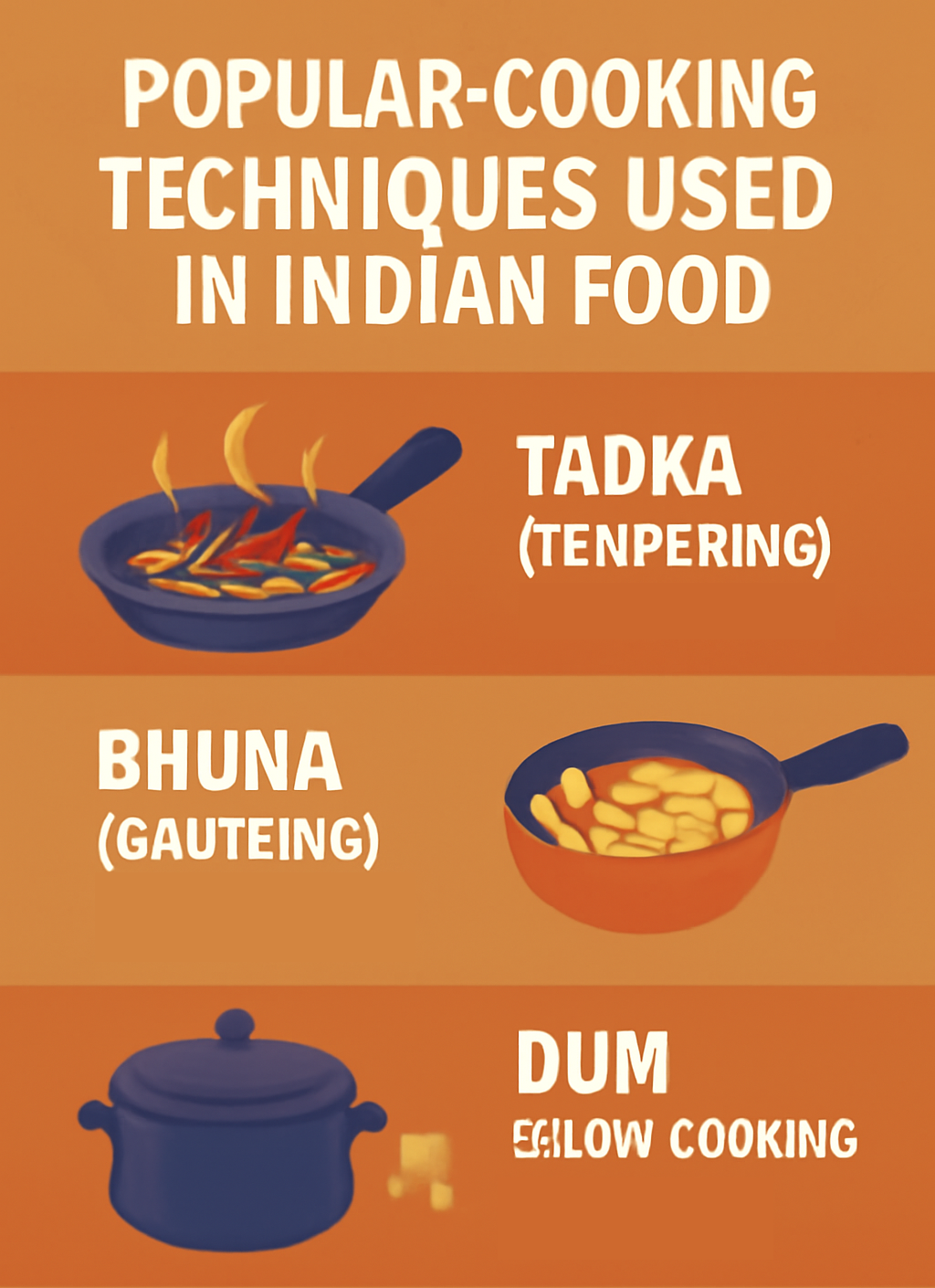
Busy week? Mastering authentic Indian meals at home is easier than you think. A few core techniques—tadka, bhuna, dum, and rice mastery—can transform your dinner from basic to unforgettable.
Tadka (Tempering): Unlocking Authentic Flavour
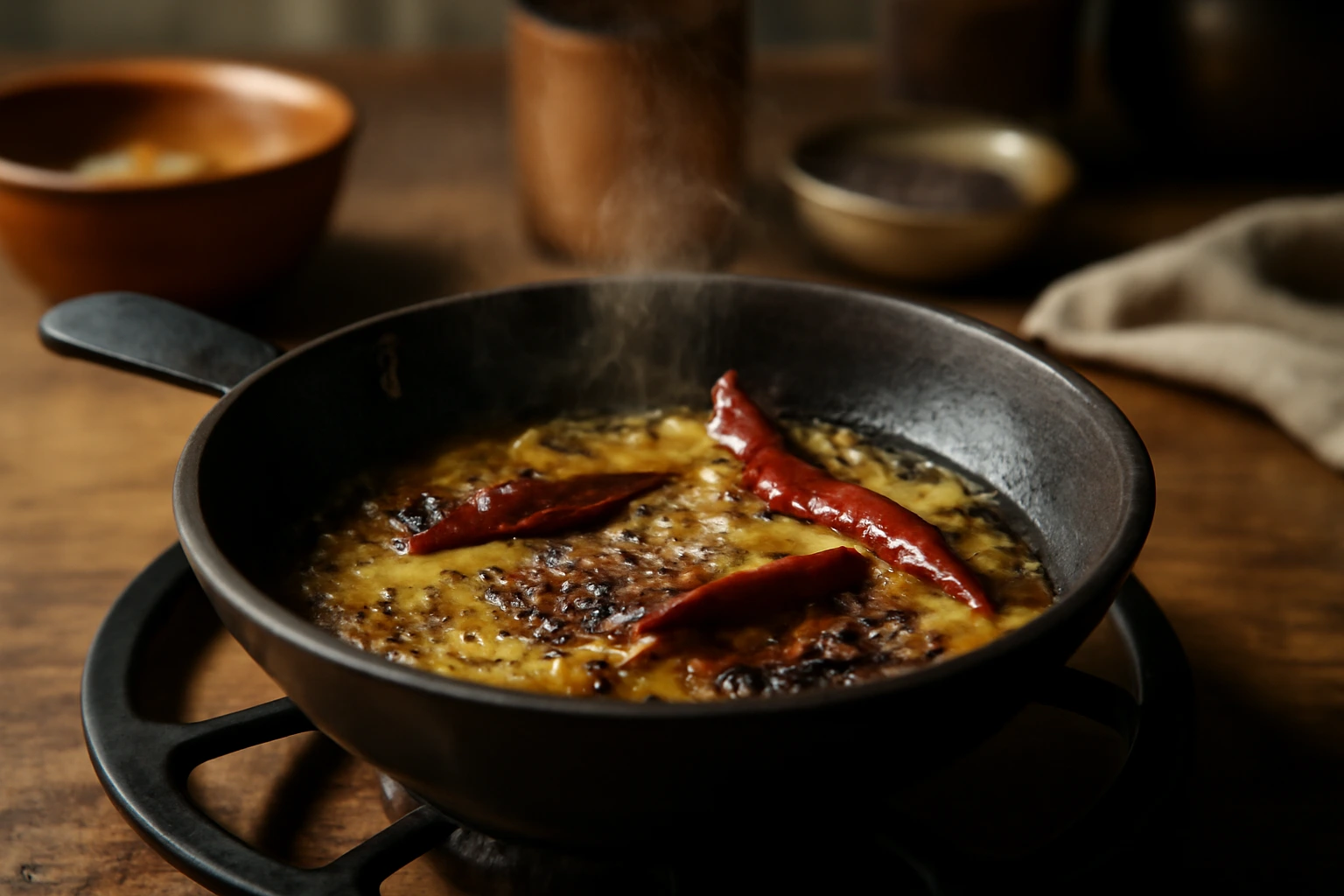
Think of tadka as the “secret handshake” of Indian cooking. Tadka means heating oil or ghee, quickly infusing it with spices like cumin, mustard seeds, or dried chilies, and pouring it over your dish for a final flourish of aroma and taste.
- Heat 1-2 tbsp oil or ghee in a small pan.
- Add whole spices (ex: 1 tsp mustard seeds, ½ tsp cumin).
- When the spices crackle—after 30-60 seconds—pour over cooked dal, curries, or chutneys.
For safety:
- Use a splatter guard or lid when adding spices.
- Keep children and hands clear when pouring hot tadka onto food.
Finish your lentil dal with tadka, and suddenly it tastes like something from a Brampton restaurant.
Bhuna: Creating Rich, Deep Flavours
Bhuna takes your onions, garlic, and ground spices on a caramelization journey. Sauté until the oil separates—this is flavor layering in action.
- Sauté aromatics (onions, garlic, ginger) on medium heat.
- Add ground spices (turmeric, coriander, cumin).
- Continue until the mixture darkens and oil pools at the edges.
“Picture this: The air fills with sweet onions and warm cinnamon, signaling it’s time for your tomato base.”
Patience is your friend—rushed bhuna means flat curry, but a slow, deep bhuna delivers restaurant-worthy depth.
Dum (Slow Cooking): Achieving Restaurant Favorite Results
Dum cooking makes biryani and korma taste like a splurge, even on a budget. Traditionally done with a clay oven (tandoor), you can mimic the technique:
- Assemble your dish in a heavy-bottom pot.
- Cover tightly (even with foil under the lid for an extra seal).
- Cook on low for 30-60 minutes, letting flavors meld and tenderize.
Try dum-style for biryani or slow-braised meats—the results are fragrant grains and melt-in-your-mouth textures.
Mastering Rice and Grains
Perfect rice is the unsung hero of every Indian meal. Getting it right is surprisingly simple:
- Rinse rice 3-4 times until water runs clear.
- Soak for 15-30 minutes.
- Cook with a 1:2 rice-to-water ratio for fluffy, separated grains.
Tip: Use these steps for biryani, pulao, or shortcut stovetop rice—no fancy cooker required.
Perfect rice turns curry night into a celebration—even leftovers feel special!
By focusing on step-by-step techniques and a few safety hacks, you can bring restaurant-quality Indian meals into your home kitchen—no culinary degree needed. Your next meal could be Instagram-worthy and ready to serve in under an hour.
Optimizing Ingredients for Authenticity and Convenience
Great Indian meals start with the right ingredients—fresh, high-quality, and just a little planning.
Busy Torontonians know the value of skipping extra grocery trips, so prioritize locally-sourced produce, halal-certified meats, and trusted spice brands. When every minute counts, these choices not only boost taste but guarantee food safety.
Minimize stress with a few practical strategies:
- Prep in advance: Chop onions, garlic, and ginger or portion your proteins for the week on Sundays.
- Fresh-frozen veggies are nutrient-rich and time-saving for quick curries, sabzis, or pulaos.
- Simplify ingredient lists: Choose versatile recipes that swap easily between vegetables or proteins based on what’s on hand—no flavor lost.
Quotable tip: “Halal-certified meats and vibrant produce are your ticket to an authentic, delicious Indian meal—even on a budget.”
Making the Most of Pantry Staples
Build an Indian pantry once, and you’re set for speedy meals all month.
Stock these essentials for ultimate convenience:
- Lentils and chickpeas
- Basmati rice
- A variety of whole and ground spices (cumin, coriander, turmeric, chili powder, garam masala)
- Canned tomatoes
- Ghee or neutral oil
Picture this: You open your pantry, grab quick-cooking masoor dal and some rice, and dinner is in the pot in under 10 minutes.
Effortlessly accommodate dietary needs with:
- Gluten-free flours (besan, rice flour)
- Plant-based proteins (tofu, tempeh)
- Lactose-free or nut-based yogurt
A winning tip for batch-prepping: Mix your signature spice blend for the week—store in a clean jar, and you’ve got “grab-and-go” flavor for every meal.
Balancing Flavours: The Art of Seasoning
The secret to authentic Indian food? Balanced flavor—not just heat!
Always:
- Taste as you go, adjusting salt, acid (lime juice, vinegar), heat (chilies), and sweetness (jaggery or sugar).
- Add finishing touches—fresh herbs, a squeeze of lime, or tamarind—right before serving to brighten every bite.
Quotable: “A squeeze of lime, a sprinkle of herbs, and you’ve just finished your masterpiece.”
Even on the busiest nights, mastering marination with yogurt, lemon juice, and ginger-garlic paste for just 15 minutes can elevate chicken, paneer, or tofu to restaurant-worthy perfection.
With a well-stocked pantry and these smart shortcuts, Toronto’s families, students, and professionals can savor bold Indian flavors with zero stress and plenty of joy. Your next delicious, affordable meal is always within reach.
Avoiding Common Beginner Mistakes: Pro Tips for Busy Lives
Cooking Indian food at home is deliciously rewarding, but even experienced cooks can hit a few snags.
The most frequent beginner blunders? Rushing through tempering, burning spices, or undercooking key ingredients—all of which flatten the flavor and lead to frustration.
Picture this: Your dal tastes bland or bitter, and you’re staring at burnt cumin seeds. A quick fix: Always heat oil before adding whole spices, watch them closely (they sizzle fast), and add aromatics right as the crackling slows.
Tools and Hacks for Time-Strapped Kitchens
You don’t need a chef’s kitchen to cook authentic Indian food—even in tiny apartments or on a tight schedule.
Level-up your workflow with these essentials:
- Pressure cooker or Instant Pot for fast, hands-free curries and lentils
- Non-stick frying pan for easy bhuna and no-mess cleanup
- Meal prep containers to store spice mixes, chopped veggies, or leftovers
Quick tip: Store spice blends in airtight containers for up to 3 months for maximum freshness and a five-minute meal start.
Strategies for Efficient, Stress-Free Cooking
Even 20 minutes can yield delicious results if you plan ahead.
Save time and prevent mistakes by:
- Mise en place: Prep all ingredients before turning on the stove—this alone can cut your stress in half
- Batch-cooking large curry bases that you can use throughout the week
- Meal-prepping favorite daals, marinated proteins, or biryani bases for quick weeknight meals
- Try simple, confidence-boosting recipes like chana masala or jeera rice—both beginner-friendly and ready in under 30 minutes
Cue the dinner table scene: Fresh jeera rice, simmering dal—zero panic, just pure comfort.
Food Safety, Halal, and Quality Considerations
When cooking Indian food at home, ingredient quality and safety matter as much as flavor.
EZeats recommends:
- Always choose Halal-certified proteins and spices—look for HMA or trusted local labels
- Store leftovers in fridge-safe, sealed containers and reheat only what you will eat
- Label and date your meal prep to avoid guesswork and food waste
- Never refreeze thawed proteins or partially cooked ingredients
Everyone deserves to eat safely—authentic taste starts with peace of mind.
Mistakes happen, and that’s how we learn. Start with simple recipes, keep your kitchen organized, and celebrate each win—the secret to authentic flavor is equal parts patience and prep.
Modern Kitchen, Classic Flavour: Adapting Techniques For Today
You don’t need a traditional clay oven or years of chef training to serve up restaurant-quality Indian meals at home. In today’s kitchen, authentic flavours are possible—even on your busiest nights—with smart technique swaps and the right tools.
Picture this: while onions caramelize in your non-stick skillet for a quick bhuna, you set your rice to soak. The aroma alone transports you to your favourite family-run restaurant—without ever leaving Brampton or bustling downtown Toronto.
Multitasking with Modern Appliances
Busy schedules demand kitchen shortcuts. Here’s how classic Indian recipes fit seamlessly with your appliances:
- Stovetop: Use a heavy-bottomed pan for even tadka (tempering) and bhuna. Oil crackling with cumin releases irresistible layers of flavour in minutes.
- Instant Pot or Pressure Cooker: Set-and-forget dum biryanis and dals—classic slow-cooked flavour in under 45 minutes, perfect for weeknights.
- Oven: Roast marinated tandoori chicken or vegetables at 400°F for that smoky finish; use broil for a charred edge.
- Microwave: Reheat meals or infuse ghee with spices in 2 minutes flat; ideal for students and meal-preppers.
“Modern tools don’t make you any less authentic—just more efficient.”
Chef Shortcuts and Family Solutions
EZeats chefs recommend these must-try, time-saving moves:
- Prep a double batch of ginger-garlic paste and freeze in an ice-cube tray for one-step flavour boosts.
- Keep a jar of pre-mixed garam masala or chaat masala for quick finishing touches on curries and chaats.
- Pick up EZeats meal kits or ready-to-eat entrees—so authenticity never takes a backseat, even on the busiest evenings.
“Don’t let time restraints keep you from flavourful tradition—let technology do the heavy lifting.”
Community Tips and Trusted Resources
Real EZeats customers in Mississauga and Etobicoke rave about two hacks:
- “Batch-cooking dal for the week is my secret to eating well between meetings,” shares Ayesha, a working mom.
- “Set a timer on your rice cooker and rely on it—one less thing to juggle during your study session,” says Aman, a university student.
For more inspiration:
- Try cookbooks like 660 Curries by Raghavan Iyer and video tutorials from YouTube channels like Hebbars Kitchen or Ministry of Curry for relatable, step-by-step guidance.
- Join online groups or tag @ezeatsgta to share your kitchen wins and questions—building an inclusive community, one meal at a time.
“Together, we make authentic Indian food approachable and fun—even on a student’s schedule or a family’s tight timeline.”
Embrace the flexibility and flavour that modern appliances and chef-curated shortcuts offer. Whether you’re simmering biryani in an Instant Pot or picking up a fresh EZeats meal at your door, next-level Indian cooking is never out of reach.
Conclusion
Mastering authentic Indian cooking isn’t reserved for chefs or those with endless free time—it’s about making smart choices that let flavour and convenience shine in your kitchen every night.
With the right approach, you can transform even the busiest weeknight into a celebration of delicious, affordable Indian meals—all while saving time, maintaining quality, and ensuring food safety for your family.
—
Here’s how to bring those flavours home starting now:
- Layer flavours step-by-step—don’t rush your spices or aromatics; a few extra moments make a huge difference
- Prep ingredients ahead (think: portioned proteins, pre-chopped onions, ready spice mixes) so dinner is always within reach
- Use multitasking appliances: Pressure cookers or rice cookers streamline classic recipes and unlock hands-free meal magic
- Stock a basic Indian pantry—fresh, halal meats, versatile lentils, whole spices, and frozen veggies—so you’re ready for bold cooking anytime
- Taste and adjust as you go: Small touches of lime, herbs, or garam masala at the end create restaurant-quality meals every time
—
Ready to make your next meal memorable?
- Try one new technique tonight—perhaps a tadka over dal, or prepping your own spice blend.
- Batch-cook a curry base or rice for the week to own weeknight dinner (and reclaim your evenings).
- Get creative and customize—swap proteins, finish with fresh herbs, and above all, trust your taste.
- Share your kitchen wins by tagging @ezeatsgta, connecting with the local community, and inspiring friends to join the journey.
—
Indian cooking doesn’t have to mean extra stress or hours at the stove—it’s a celebration of layered flavours, smart shortcuts, and meals that fit real life.
With a little prep, the right ingredients, and a dash of confidence, you can infuse every meal with authentic taste and joy.
Every night can be a flavourful adventure—just take the first (delicious) step.
Hebbars Kitchen – Indian Recipes
FAQs
1. What are the most popular cooking techniques used in Indian food?
They include tadka, bhuna, dum, and mastering rice. Each adds flavor layers and authenticity.
2. Can I use modern appliances for these techniques?
Yes! Instant Pots, pressure cookers, and ovens work perfectly for dum-style and bhuna cooking.
3. Where can I find authentic Indian spices and recipes?
Hebbars Kitchen
4. How do I make these techniques beginner-friendly?
Prep ingredients, batch-cook spice mixes, and follow step-by-step instructions. Start with simple dal or jeera rice.
Contact Us for More Indian Cooking Tips – perfect if linking to a recipe or service inquiry page.
editor's pick
latest video

news via inbox
Nulla turp dis cursus. Integer liberos euismod pretium faucibua