Indian Food Recipes After C Section: Recovery Meals
Indian food recipes after C section play a vital role in helping new mothers heal, regain strength, and restore digestion after surgery. Choosing warm, soft, and nutrient-rich Indian meals can significantly improve recovery, support lactation, and reduce common postpartum discomfort—especially during the first few critical weeks.
- Prioritize soft, easily digestible foods like khichdi, daliya, moong dal, and idli to support recovery and reduce digestive stress in the first weeks after surgery.
- Aim for small, frequent meals every 2–3 hours to maintain steady energy, support healing, and make eating less overwhelming while managing family routines.
- Boost recovery with key nutrients: Choose dal, paneer, and curd for protein; spinach, lentils, and dried fruits for iron; and fresh seasonal veggies for vital vitamins and minerals.
- Incorporate healthy fats mindfully by adding 1–2 teaspoons of ghee per meal and mild spices like jeera, ginger, and haldi to enhance digestion and healing.
- Stay hydrated with warm, soothing drinks such as ajwain water, thin buttermilk, or diluted turmeric milk—skip fizzy, overly sweet, or caffeinated beverages to avoid discomfort.
- Adapt meals to your needs by selecting lactose-free, vegetarian, or halal options and watching for any food sensitivities or allergies as you gradually expand your diet.
- Lean on easy meal-prep hacks: Use pressure cooking, batch prepping soft grains, and one-pot recipes to save time and reduce kitchen stress for busy professionals and new moms.
- Avoid gas-forming foods and heavy spices initially, reintroducing items like chole, rajma, and cruciferous veggies only after 3–4 weeks or as comfort allows.
With these smart recovery meal strategies, you can heal efficiently and enjoy delicious, affordable Indian food—explore the full guide for recipes and personalized tips that fit your post-C-section journey.
Introduction
Imagine this: It’s your first week home after a C-section. Sleep is a distant memory, your body’s in recovery mode, and somehow, everyone’s hungry—including you.
You shouldn’t have to sacrifice nutrition, great taste, or peace of mind at the very moment you need them most.
Today, nearly 1 in 3 Canadian moms delivers via C-section, but few get clear, simple guidance on what to eat—especially when every minute (and dollar) matters. No one has time for complicated recipes or bland, generic diets when you’re caring for a newborn and an entire household.
What if nourishing your body after surgery could be effortless, affordable, and delicious?
This guide brings you joyfully back to traditional Indian recovery foods—warm, easily-digested meals that fit even the busiest GTA lifestyle. You’ll discover:
- Time-saving meal templates using Indian staples like rice, dal, and soft vegetables
- How to pick fast, gentle snacks that boost energy and support lactation
- Ways to keep food safe, convenient, and affordable—even with zero cooking skills
- Trusted tips for customizing meals, honoring dietary needs (vegetarian, halal, dairy-free), and skipping unnecessary stress
Expect practical meal ideas with zero overwhelm, comfort in every bowl, and modern shortcuts for pain-free meal prep—whether you’re a working mom, student, or supporting someone you love.
The best part? Everything is designed to protect your healing, help you reclaim time, and get your family—and your appetite—back to feeling their best.
Recovery is a journey, but it starts one nourishing, gentle meal at a time.
Let’s uncover exactly what your body needs for a strong post-surgery comeback—and how you can make every bite count, starting today.
Understanding Post-C-Section Nutrition: Foundations and Principles
C-section recovery isn’t just about rest—it’s about fueling your body with the right foods for gentle healing and long-term strength.
After surgery, your body is busy repairing tissue, managing pain, and supporting milk supply if you’re breastfeeding. That’s why what you eat matters just as much as when you eat.
The Science of Recovery: What Your Body Needs
In the first days post-C-section, digestion tends to be sluggish due to anesthesia and medications.
Nutrition experts and traditional Indian wisdom agree:
- Prioritize small, frequent meals (every 2-3 hours)
- Focus on soft, easily digestible foods like rice, daliya, idli, and moong dal
- Stay hydrated with warm water and infused drinks (ajwain or jeera, if approved)
- Start with gentle foods, gradually adding complexity as comfort allows
Picture this: A comforting bowl of mushy vegetable khichdi, steam rising, is easier on your stomach and helps you feel cared for—especially on a busy family evening.
Key Nutrients for Postnatal Repair
The building blocks of good recovery include:
- Protein: Dal, soft eggs, curd, or paneer for cell repair and muscle strength
- Iron: Spinach, lentils, and dried fruits to combat common postnatal anemia
- Healthy fats: Ghee or seed/nut powders (as advised), offering energy and support for healing
- Micronutrients: Carrots, lauki, pumpkin, and beans for vitamins and minerals
- Fluids: Buttermilk, coconut water, or clear soups to promote digestion and hydration
“Nourish your recovery, one mindful meal at a time.”
Individualizing Your Approach
Every new mother’s needs are unique.
Always:
- Consult your doctor if you have special conditions (diabetes, thyroid, allergies, digestive issues)
- Adapt recipes if you’re lactose intolerant or vegetarian/halal
- Watch for food sensitivities and keep meal options simple at first
Start slow and listen to your body—your comfort is the best signal when adjusting foods.
A modern Indian postpartum diet blends tradition with medical wisdom, supporting busy Toronto families with real, accessible recovery options.
Remember: Prioritizing gentle, nutrient-rich meals can speed up healing and help you get back to what matters—time with your new baby and family.
Recommended Foods for Recovery: Indian Ingredients and Meal Types
After a C-section, gentle, nourishing meals are key to smoother recovery and improving your energy when you need it most. Indian staples like soft grains and protein-packed lentils are especially supportive during this time.
Soft Grains and Proteins for Healing
For the first weeks, choose easily digestible, warm foods that comfort the stomach:
- Soft grains: rice, daliya (broken wheat), thin suji upma, soft idlis
- Lentils: yellow moong dal (lightest on digestion)—offered as simple dal, cheela, or khichdi
- Gentle proteins:
- Homemade curd (if tolerated)
- Soft paneer
- Well-cooked, boneless chicken or fish (if non-veg, ensure it’s soft and spiced mildly)
Picture this: a bowl of warm, mashed khichdi with a swirl of ghee—gentle on the gut, rich in nutrients, and just what your body craves for healing.
Spices, Vegetables, and Healthy Fats
Mild flavor and soothing veggies should take center stage:
- Recommended vegetables:
- Carrot
- Lauki (bottle gourd)
- Pumpkin
- Tori (ridge gourd)
- French beans
- Introduce with caution:
- Chole (chickpeas), rajma (kidney beans), cauliflower, cabbage—these are gas-forming and can wait until digestion improves.
- Essential spices for comfort and recovery:
- Jeera (cumin): aids digestion
- Ginger: anti-inflammatory
- Haldi (turmeric): healing
- Ajwain (carom seeds) and methi (fenugreek): support lactation and soothe bloating
- Healthy fats:
- Ghee in moderation (1–2 tsp per meal)
- Nut or seed powders (as doctor allows, and if there’s no allergy)
Fruits, Lactation Support, and Allergy Considerations
Pick fruits that are ripe, soft, and easy to digest:
- Ripe banana
- Papaya
- Stewed or peeled apple (especially in the early weeks if digestion is sensitive)
For extra lactation support and daily energy:
- Try light snacks like daliya porridge with a touch of jaggery, methi ladoos (if permitted), and ajwain-methi paratha with curd.
- If allergies or intolerances are a concern, swap dairy for nut milk (doctor’s okay) or go for plain khichdi instead of curd-based meals.
Easy Choices for Daily Strength
Warm, cooked, and mildly flavored Indian dishes are best for the first two to three weeks after surgery. Avoid heavy, raw, or overly spicy foods at first—think comfort in every bite.
For new mothers in the Greater Toronto Area, these Indian foods can truly make every meal “recovery on a plate.” Focus on ingredients that bring both physical and emotional comfort: soft grains, mild dals, and safe, soothing vegetables round out a healing post-C-section menu, no extra stress needed.
Gentle Indian Breakfasts: Easy-to-Digest Recipes and Customizations
After a C-section, breakfast sets the tone for your healing day—think soft, warm meals that comfort, fuel, and are easy on your recovering body.
Gentle Indian breakfasts don’t just soothe digestion—they also deliver the essential protein, iron, and healthy carbs new mothers need.
Picture this: a steaming plate of moong dal cheela, soft as a pancake, served with cooling homemade curd and a mild green chutney.
Top Easy Indian Breakfasts for Recovery
Busy mornings call for recipes that are quick to prepare, packed with nutrients, and simple to customize:
- Moong Dal Cheela
- Soak yellow moong dal; blend with ginger, a sprinkle of jeera, and fresh coriander—skip the chilli!
- Cook on a non-stick tawa with minimal ghee.
- Pair with homemade curd or a mild coriander chutney for a creamy, tangy finish.
- Suji/Vegetable Upma
- Dry roast suji, then bloom mustard seeds, jeera, and curry leaves in just a teaspoon of ghee.
- Fold in carrots and beans; simmer with hot water until soft and pillowy.
- Squeeze in lemon (if not acidic for you) for a fresh morning lift.
- Soft Idli with Mild Sambar
- Steam plain rice idlis, keeping the batter light on oil and salt.
- Serve with a gentle sambar—more pumpkin and carrot, less chilli—for balanced, comforting flavors.
“Warm, mild breakfasts help your body heal from the inside out.”
Customizing for Dietary Needs and Comfort
Every recovery looks a little different—your breakfast can too.
- Lactose Intolerance?
- Swap regular curd for dairy-free coconut or almond yogurts.
- Try sambar or mild chutneys instead of curd as your side.
- Vegetarian/Egg Preferences
- All featured recipes are naturally vegetarian and can go eggless. For extra protein, add a soft-boiled egg if your doctor says it’s safe.
- Ingredient Swaps
- Allergic to nuts? Skip nut-based garnishes in upma or cheela.
- Prefer gluten-free? Choose idli or cheela over suji upma.
“Customize your breakfast—healing shouldn’t have to mean boring or repetitive.”
Making Breakfast Effortless for New Mothers
Prep essentials the night before: soak your dal, chop veggies, set aside spices.
Leverage one-pot recipes to minimize clean-up and maximize your free time—a top EZeats tip.
“If you can’t cook, opt for ready-to-eat, chef-prepared options that deliver safety, taste, and nutrition to your doorstep—because every new mother deserves an easy, nourishing start.”
A gentle Indian breakfast isn’t just a meal—it’s an act of self-care that supports healing, energy, and peace of mind as you recover and care for your little one.
Nourishing Lunches and Dinners: Healing Indian Meal Templates
Rebuilding your strength after a C-section starts with gentle, wholesome meals that comfort your body and support healing with every bite.
Indian traditions shine here, offering soft textures, minimal spice, and hearty nutrients in every spoonful—so you can eat well, even on busy days or with family around.
Comfort in a Bowl: Vegetable Khichdi
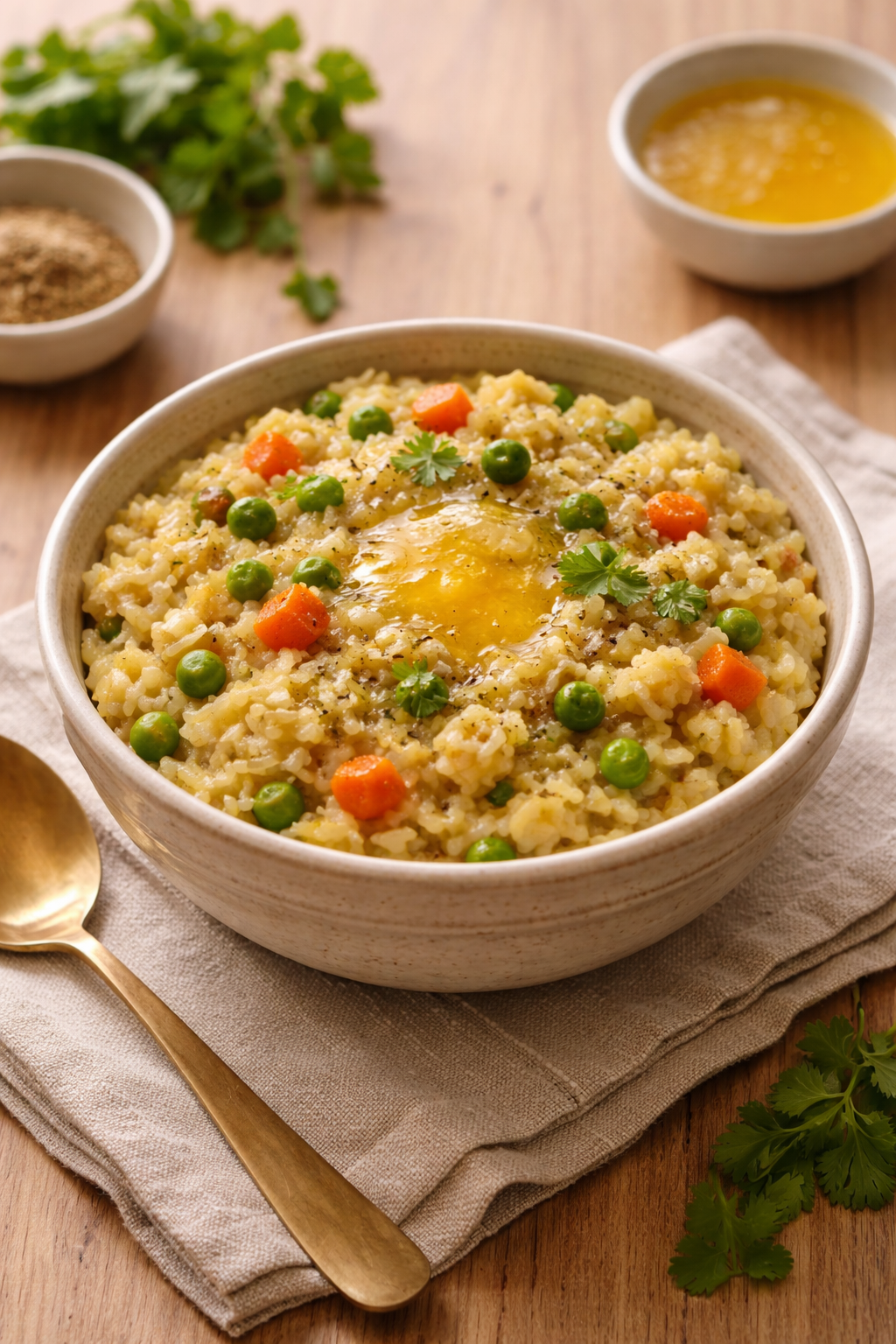
When you crave something warm and filling, vegetable khichdi delivers every time.
- Base: Rice and yellow moong dal in a 2:1 ratio—for softness and protein
- Veggies: Finely chopped carrot, lauki (bottle gourd), pumpkin, and beans. Go easy on peas and avoid gas-forming vegetables at first
- Flavor: A touch of ghee (1-2 tsp), jeera, hing, haldi, and just enough salt—skip strong chilies
- Cook: Pressure cook or slow simmer till mushy and creamy; serve warm, garnished with coriander
“Picture this: a steaming bowl, golden and fragrant, spooned straight from the pot as steam rises—both soothing and satisfying.”
Iron-Rich and Gentle: Palak Moong Dal
Boost your protein and iron with this spinach-lentil favorite that’s easy to digest.
- Dal: Yellow moong dal, softened thoroughly with haldi
- Greens: Add finely chopped spinach (palak), sautéed in ghee with jeera (add garlic only if tolerated)
- Texture: Combine for a soupy, mild dish—perfect for pairing with plain rice or soft phulka
“This gentle green bowl feels fresh and hearty—a recipe that truly feels like a warm hug.”
Soft Phulka/Chapati with Seasonal Sabzi and Curd
Want to keep it classic? Go for phulkas or chapatis, always light and fresh.
- Breads: Make soft, thin chapatis with a ghee smear
- Sabzi: Cook lauki, tori (ridge gourd), pumpkin, or carrot with minimal oil and spice
- Curd: Serve with a bowl of homemade curd for gut comfort and protein (if tolerated)
“Simple, home-style fare: stacks of fluffy phulkas, soft sabzi, and creamy curd—a meal that feels familiar and healing.”
Sizing and Meal Timing Tips
- Small, frequent meals are key—start with 1–1.5 ladlefuls, adding more as comfortable
- Eat slowly: Savor bites and check in with your fullness
- Adapt for family: Just up the spice and vegetable content for others at the table—everyone eats, no extra work
Visual Takeaway and Immediate Actions
- See bright, colorful meals—soft enough for healing, tasty enough for everyone
- “Soft khichdi, gentle dal, and fresh phulkas are the ultimate comfort trio for post-surgery nights.”
- Try prepping extra portions in advance to save precious time and energy every day
Meals like these aren’t just nutritious—they make recovery more enjoyable, ensuring that every bite supports your healing and fits seamlessly into your busy family routine.
Snacking for Strength and Lactation: Indian Traditions with Modern Guidance
Looking for simple, nourishing snacks that help you recharge and support lactation after a C-section? You don’t have to choose between tradition and convenience—Indian postnatal wisdom offers both taste and gentle nutrition.
Power Snacks for Busy Recovery Days
The right snack can be a gamechanger for a new mother’s energy.
Here’s what makes the top list for easy, lactation-friendly Indian snacks:
- Daliya (broken wheat) porridge: Soft, warm, and filling. Cook with water or milk, sweeten lightly with jaggery, and sprinkle in nut powder (if no allergies). Great for slow-release energy—ready in about 15 minutes.
- Ajwain-methi paratha: Wheat dough with ajwain (carom) and methi (fenugreek) leaves, rolled out and cooked on a non-stick tawa with minimal ghee. Pairs beautifully with fresh curd or mild sabzi—easy on digestion, tasty, and may help with milk supply.
- Traditional postnatal ladoos (gond, methi, or ragi varieties): Think of these as ancient energy balls, packed with nutrients but also calorie-dense. Recommended only in small portions and after checking with your healthcare provider.
“A bowl of warm daliya can feel like a hug from inside—just what you need after a sleepless night.”
Balancing Tradition, Safety, and Convenience
For safe, satisfying snacking, consider these guiding tips:
- Calories count: Laddoos and porridge are energy-rich, so keep portions small and balanced within your daily intake.
- Allergy awareness: Skip nut powders or dairy if you have sensitivities. Swap milk with oat or almond milk if needed.
- Snack frequency: Aim for a mini-meal every 2–3 hours to keep energy steady—and prevent big dips that can impact mood and recovery.
“The right snack, at the right time, can turn a chaotic day into a calm one.”
Fluid-Rich, Soothing Choices
Many new moms feel thirsty and tired—fluid-rich snacks help on both fronts:
- Thin buttermilk: Lightly salted, easy on the stomach, and a traditional go-to for hydration.
- Gentle veggie soups: Focus on carrots, pumpkin, or lauki for easy digestion and comfort.
Picture this: A warm mug of homemade soup or a glass of buttermilk on your bedside tray—comfort food at its simplest, bringing both relief and recovery.
Choosing snacks that blend Indian tradition and modern health guidance can give you the support you need, one bite at a time. Mix up your snacks for variety and always check with your doctor for any special needs or restrictions.
Choosing Safe and Soothing Drinks: Hydration for Recovery
Staying hydrated is one of the simplest yet most powerful steps you can take after a C-section.
For new mothers, fluids support faster healing, boost milk supply, and restore lost strength—all while keeping digestion gentle and comfortable.
Go-To Hydration Choices
Start with the basics: warm water is your best friend, especially in the first 1–2 weeks.
Gentle, traditional Indian infusions offer added benefits:
- Ajwain (carom seeds) water: Soothes digestion and may ease bloating
- Jeera (cumin) water: Helps reduce gas and supports milk production
- Saunf (fennel) water: Mild flavor that’s gentle on the stomach
- Light herbal teas: Try tulsi or chamomile, but only if cleared by your doctor
A simple thermos filled with infused water, sipped throughout the day, can noticeably improve your comfort.
Picture this: a bright yellow mug of jeera water on your nightstand, ready for those early morning nursing sessions.
Nighttime Comfort Drinks
The right drink before bed can be both soothing and functional:
- Haldi doodh (turmeric milk): Traditionally used at night for recovery—just a pinch of turmeric in warm milk.
- Thin buttermilk (chaas): Cooling, hydrating, and gentle on digestion.
If you experience lactose intolerance or sensitivity, consider alternatives like oat or almond milk made warm with a touch of turmeric.
“A mug of warm haldi doodh is more than comfort—it’s a nightly tradition that signals your body to rest and repair.”
Drinks to Limit or Avoid
Some beverages are best left off the menu:
- Strong tea or coffee: Can increase acidity and interfere with sleep
- Packaged juices and sugary drinks: Often contain additives and contribute little to recovery
- Carbonated beverages: May lead to bloating
- Alcohol and unapproved herbal laxatives/supplements: Must be avoided, especially when breastfeeding
Your doctor may advise extra caution if you have digestive issues, diabetes, or other postpartum conditions.
“Safe hydration isn’t just about what you drink—it’s knowing what to avoid during recovery.”
Key Takeaways
Choosing soothing, warm drinks helps new mothers recover faster, support breastfeeding, and feel their best.
Stick to gentle Indian infusions and avoid gas-forming or heavy beverages for maximum comfort.
With every warm sip, you’re investing in your strength—because a hydrated mom is a healing mom.
Foods and Ingredients to Introduce with Caution: Avoiding Common Postpartum Discomforts
After a C-section, your digestive system needs extra care. To encourage comfort and healing, it’s important to avoid foods known to cause gas, bloating, or discomfort—especially in the first 1-2 weeks.
Focus on Gentle Start: Minimize These Foods Initially
For a smoother recovery, temporarily limit foods and ingredients that are commonly linked to digestive upsets:
- Gas-forming legumes: Chole (chickpeas), rajma (kidney beans), black gram (urad dal)
- Fried snacks: Samosas, pakoras, puris, and bhujia
- Cruciferous or gassy vegetables: Excess cauliflower, cabbage, broccoli
- Heavily spiced dishes: Dishes with extra chilli, garam masala, or oily tadkas
Picture settling down for dinner and knowing each bite is gentle, warm, and made with ingredients less likely to irritate your recovering stomach.
Gradual Reintroduction: Timing and Methods
Once you feel stronger, reintroduce these foods gradually—for most, this means after the first 3-4 weeks, or as your doctor recommends.
- Start with very small portions, prepared with less oil and fewer spices
- Monitor for any gas, bloating, or discomfort—pause and consult your healthcare provider if symptoms appear
- Introduce only one new food at a time so you can track your body’s response easily
This step-by-step approach ensures you don’t get overwhelmed while steadily expanding your diet.
Identifying Triggers and Adapting for Special Health Needs
Every body is unique—some mothers tolerate certain foods earlier than others. Keep a simple diary or note on your phone of what you try and how you feel.
- If you notice discomfort after a particular dish (for example, rajma chawal), wait an extra week before trying again
- Always check with your medical team if you have diabetes, thyroid concerns, or anemia—they may recommend:
- Lowering sugar or jaggery in ladoos and porridge
- Using low-fat curd or milk alternatives
- Opting for iron-rich sides like palak dal instead of gas-forming legumes
Inclusive Best Practices
Remember, your recovery is individual, and traditional food wisdom thrives when combined with modern medical guidance. Share what works for you—even a simple testimonial like, “Soft lauki sabzi became my comfort food in week one,” can encourage others.
Prioritize listening to your body and enjoy the mindful return of your favorite dishes—one gentle, flavorful bowl at a time.
Practical Meal Planning and Cooking Tips: Making Recovery Meals Stress-Free
Keeping mealtime stress-free after a C-section is all about easy prep, smart planning, and safety. You don’t need fancy skills or hours in the kitchen to enjoy healing Indian meals—just a few simple habits can make a huge difference.
Smart Cooking Shortcuts for Busy Days
Speed up meal prep with these time-savers:
- Pressure cooking rice, dal, and khichdi cuts cooking time by up to 50% and locks in nutrients.
- Batch prepare basics—think soft phulkas or plain dosa batter—so you have multiple meals ready in advance.
- Stick to one-pot recipes like vegetable khichdi or palak dal, minimizing mess and saving precious time.
Picture this: A bubbling one-pot khichdi, finished in 20 minutes, while you rest or cuddle your newborn.
Shopping and Ingredient Planning Made Simple
Build a shopping list focused on the essentials:
- Soft, digestible grains: rice, daliya, suji, idli batter
- Protein picks: yellow moong dal, soft paneer, curd
- Vegetables: lauki, carrot, pumpkin, beans—always choose fresh, local produce for peak nutrition
Keep your pantry stocked with mild spices (jeera, haldi, ajwain, ginger) and small quantities of ghee.
Getting Family and Caregivers Involved
Recovery is smoother with support:
- Share simple cooking instructions or bookmarked recipes with family.
- Assign tasks like chopping veggies or pressure-cooking dals to helpers—every minute saved matters.
- Ensure anyone helping understands food safety basics: washing hands, proper reheating, and clean utensils.
A loved one prepping masala-free sabzi while you rest is true teamwork in action.
Essential Equipment and Kitchen Organization
Create an efficient cooking setup:
- Keep must-haves handy: pressure cooker, non-stick tawa, a single sharp knife, and clean chopping boards.
- Store serving containers and small bowls nearby to streamline plating and reduce clutter.
- Wipe counters with food-safe disinfectant and always store milk, paneer, and curd in a cool place.
Food Safety and Serving Suggestions
New mothers need protection from germs:
- Serve fresh meals warm and avoid storing cooked food for more than 24 hours—SQF-certified hygiene makes all the difference.
- Try smaller, more frequent portions on bright plates to make eating more inviting—appetite often returns with colorful, appealing presentation.
Whether you’re prepping soft upma for breakfast or a nourishing bowl of dal at dinner, a little planning and the right support transform meal prep from overwhelming to easy. Save time, stay safe, and keep recovery deliciously on track—because you deserve every bit of comfort right now.
Connecting Indian Postpartum Nutrition to Broader Healthy Lifestyle Practices
Gentle Nutrition for Lasting Wellness
Gentle, balanced Indian postpartum meals do more than help new mothers recover—they lay the foundation for lifelong health.
Picture this: a bowl of soft khichdi, rich in moong dal and mild spices, not just soothing after surgery but teaching your whole family the power of simple, mindful ingredients.
By focusing on warm, easily digested foods like vegetable upma, yellow dal, and lauki sabzi, you’re not only easing short-term discomfort but setting up habits that support better digestion, steady energy, and immunity for years.
“A gentle Indian meal isn’t just for healing—it’s a blueprint for everyday vitality.”
Traditional Foods, Modern Wisdom
Many Indian postpartum favourites—like ghee-smeared phulka, homemade curd, or methi paratha—map directly onto today’s nutrition science.
Think:
- Balanced macronutrients: Soft grains + dal for steady energy; curd and paneer for protein and probiotics; vegetables for vitamins and fibre.
- Mindful eating: Small, frequent meals help manage appetite, mood, and blood sugar—scientifically shown to support recovery and well-being.
- Minimized processed foods: Traditional recipes champion natural, whole ingredients, closely matching current trends in gut and metabolic health.
Visualize a kitchen table filled with stewed apple and lightly spiced dal—warm, simple, and free of heavy oils or chemicals. This approach fits seamlessly into a busy GTA lifestyle.
“Indian postpartum nutrition, rooted in tradition, aligns beautifully with proven modern health habits.”
Building Habits for the Whole Family
Making these meals part of your regular family routine supports everyone’s health—new mothers, students, and professionals alike.
Start by:
- Prepping extra batches of soft khichdi for weekday dinners
- Choosing daliya or moong dal cheela for fast, healthy breakfasts
- Swapping packaged snacks for simple, homemade porridges or ladoos (as advised)
Small changes—like replacing heavy street food with gentle, home-cooked options—can boost energy, improve focus, and support healthy growth for kids.
EZeats: Simple Solutions, Trusted Quality
EZeats delivers convenience, safety, and restaurant-quality meals for GTA families, so you can prioritize recovery and wellness without added stress.
With halal-certified, SQF-approved meals starting at just $5.99, you can trust that every bowl of khichdi, dal, or sabzi meets the highest standards—freeing up more time for what matters most.
When you welcome Indian postpartum cooking methods into your routine, you’re embracing habits that fuel resilience and satisfaction for every stage of life.
“Eating like you’re healing—slow, warm, mindful—isn’t just for new moms. It’s for busy, thriving families everywhere.”
Conclusion
Recovering after a C-section is about more than rest—it’s about empowering yourself with comforting, nutritious meals that honor both your healing and your busy life.
With gentle, Indian-inspired recipes, you can nurture your body, boost your strength, and reclaim precious time with your family—all while savoring food that feels as good as it tastes.
—
Key Takeaways:
- Choose soft, easily digestible Indian staples—like khichdi, moong dal, and lauki sabzi—for smoother recovery and daily energy
- Make meal prep easy by using one-pot recipes, batch cooking, and kitchen shortcuts
- Prioritize hydration with warm infusions (ajwain, jeera water) and gentle buttermilk to support healing and milk supply
- Adapt recipes for dietary needs—lactose-free options, vegetarian swaps, and mindful spice levels keep meals enjoyable and safe
- Invite support from family or pick trusted delivery solutions like EZeats for reliable, chef-made postpartum meals with guaranteed freshness
—
Ready to make your recovery easier? Try this:
- Plan your next 3 meals using these gentle meal templates—start with an easy khichdi or upma tonight
- Prep a week’s worth of soft breakfast staples (cheela batter, upma veggies) or add wholesome snacks like daliya porridge to your snack rotation
- Stay hydrated—fill a thermos with warm jeera water and sip throughout your day
- Reach out for support—share your meal plan with a family member or explore chef-prepared, safe delivery options so you can focus on rest
—
Because the right foods don’t just heal—they empower, bringing you one delicious, nurturing meal closer to full strength every day.
You deserve comfort, confidence, and more time for what matters. Good food after a C-section isn’t a luxury—it’s your launchpad back into vibrant family life.
Learn more about our healthy Indian meal delivery services for postpartum recovery.
FAQs
1-Indian food recipes after C section for faster recovery?
The best Indian food recipes after C section include soft, easily digestible meals like vegetable khichdi, moong dal, lauki sabzi, daliya porridge, and idli. These foods support digestion, reduce bloating, and provide essential nutrients needed for tissue healing and energy.
2. How soon can I start eating normal Indian food after a C section?
Most mothers can begin gentle Indian foods within 24–48 hours after surgery, starting with soft, low-spice meals. Normal Indian foods such as chapati, dal, and sabzi are usually reintroduced gradually after 2–3 weeks, depending on comfort and medical advice.
3. Are Indian food recipes after C section safe for breastfeeding mothers?
Yes, Indian food recipes after C section are generally safe and beneficial for breastfeeding when prepared with mild spices. Foods like moong dal, methi paratha, daliya, and jeera water may help support milk supply while keeping digestion comfortable.
Learn more about our values, food safety standards, and recovery-focused approach on our About Us page.
editor's pick
latest video

news via inbox
Nulla turp dis cursus. Integer liberos euismod pretium faucibua