Popular Cooking Techniques Used in Indian Food
Discover the most Popular Cooking Techniques Used in Indian Food, from tadka to tandoor, adapted for busy GTA households. Learn modern shortcuts, tools, safety tips, and fusion trends to enjoy authentic flavors quickly and affordably.
- Master essential techniques like tadka (tempering), bhuna (sautéing), and dum (slow cooking) to unlock bold, layered flavors—even when you’re short on time.
- Rely on fresh, high-quality spices and locally-sourced ingredients for dishes that offer superior taste, nutrition, and authenticity in every bite.
- Modernize tradition with tools such as pressure cookers, electric tandoors, and air fryers to prep classic Indian meals up to 60% faster without sacrificing quality.
- Blend classic and fusion styles by trying dishes like butter chicken pizza or masala pasta, bringing together Indian spices with popular global favorites for easy variety.
- Shop smarter in the GTA at stores like Nations Fresh Foods, Iqbal Halal Foods, and No Frills to access affordable, fresh halal and vegetarian staples year-round.
- Prioritize food safety and quality by choosing services that offer SQF certification, HMA halal compliance, and transparent sourcing—key for families seeking peace of mind.
- Simplify mealtime with batch-cooking and smart storage—prep curries and dals in advance, use freezer-friendly containers, and reheat when needed for quick, stress-free meals.
Ready for more free time and flavorful dinners? Explore the full article to discover how Indian cooking traditions and modern hacks can make every meal easier, healthier, and more delicious—no matter your schedule.
Introduction
Ever wondered how a simple swirl of sizzling spices can instantly transform plain rice or lentils into a crave-worthy meal? The answer: timeless Indian cooking techniques that pack flavor, aroma, and texture into every bite.
If your evenings are a race against the clock, you’re not alone. For busy professionals, students, and families across the GTA, finding meals that are affordable, restaurant-quality, and ready fast can feel impossible. That’s where knowing a few essential kitchen secrets makes all the difference—turning rushed dinners into moments you’ll actually look forward to.
Here’s the best part: you don’t need years of culinary training (or hours in the kitchen) to unlock bold, satisfying Indian flavors at home. The right approach helps you:
- Save time without sacrificing taste—think quick prep, minimal clean-up, and reliable results
- Try new recipes and spice blends, even if you’re short on ingredients or kitchen space
- Impress the family with authentic dishes, whether you’re cooking a classic curry or ordering your favorite tandoori
Toronto’s vibrant Indian food scene thrives because these versatile methods—like tadka (tempering), steaming, and slow cooking—are designed for real life. From weeknight meals to weekend celebrations, there’s always a technique that fits your schedule and budget (and works just as well for vegetarian, halal, or health-conscious diets).
Ready to discover the go-to methods that make Indian cuisine so beloved—and see how modern shortcuts can bring global flavor to your table, even on the busiest nights?
Up next: see how balancing bold flavors and smart preparation sets the foundation for every unforgettable Indian meal.
Foundations of Indian Cooking Techniques
Indian cooking is all about balancing bold flavor, tempting aroma, appetizing texture, and smart nutrition—all in a single meal.
A classic Indian kitchen combines dozens of techniques, but they’re rooted in a few unbreakable principles handed down through family recipes and rich regional traditions.
The Pillars of Authentic Flavor
Every home cook and restaurant chef in India knows: flavor comes from how you cook, not just what you cook.
Key methods are:
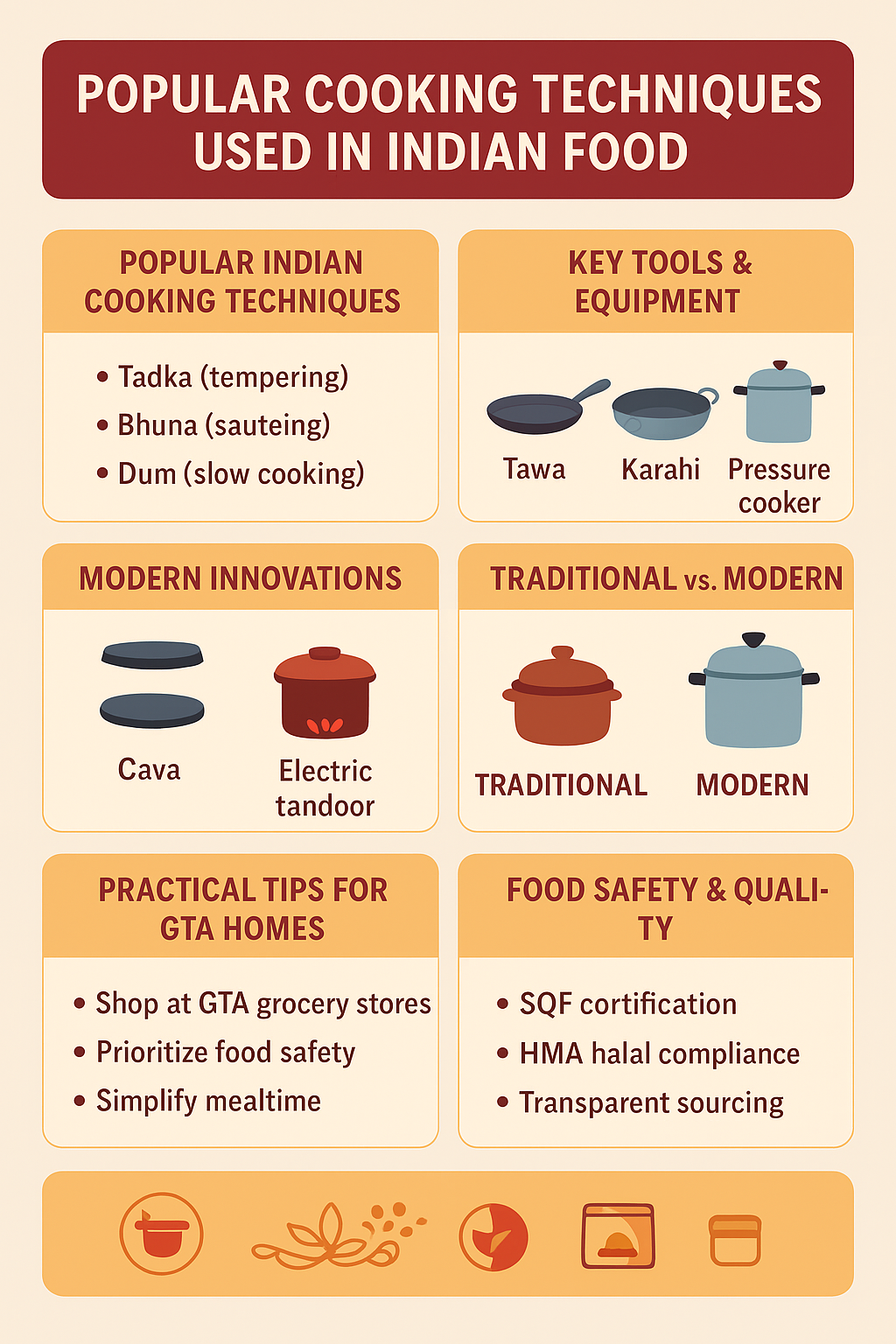
- Tadka (tempering): Quick, high-heat infusion of spices in hot oil
- Bhuna (sautéing): Gently caramelizing onion, garlic, and spices for complex flavor
- Dum (slow-cooking): Sealing in steam for tender, aromatic dishes
Each technique plays a role—layering taste, building aroma, and bringing out the best in fresh ingredients.
The Secret Power of Spices & Timing
Picture this: cumin sizzling, mustard seeds popping, onions slowly turning golden.
That’s not just delicious—it’s science you can taste.
Mastering Indian food means:
- Using fresh, high-quality spices (often hand-ground in a mortar and pestle or electric grinder)
- Timing additions for maximum flavor—spices, onions, tomatoes are added in sequence, not all at once
- Relying on locally-sourced ingredients for more nutrition and better taste
The result? A dish that tastes like home, wherever you are.
Techniques for the Everyday Toronto Kitchen
Modern Indian cooking bridges tradition with convenience, making complex flavors possible—even on busy weeknights.
Foundational methods set you up for:
- Consistency: Whether it’s a Goan prawn curry or North Indian dal, the process is repeatable
- Efficiency: Meals can be prepped in advance, stored safely, and reheated without losing quality
- Versatility: Many techniques, like slow-cooking and tandoor-style grilling, have easy stovetop or oven swaps for apartments and small kitchens
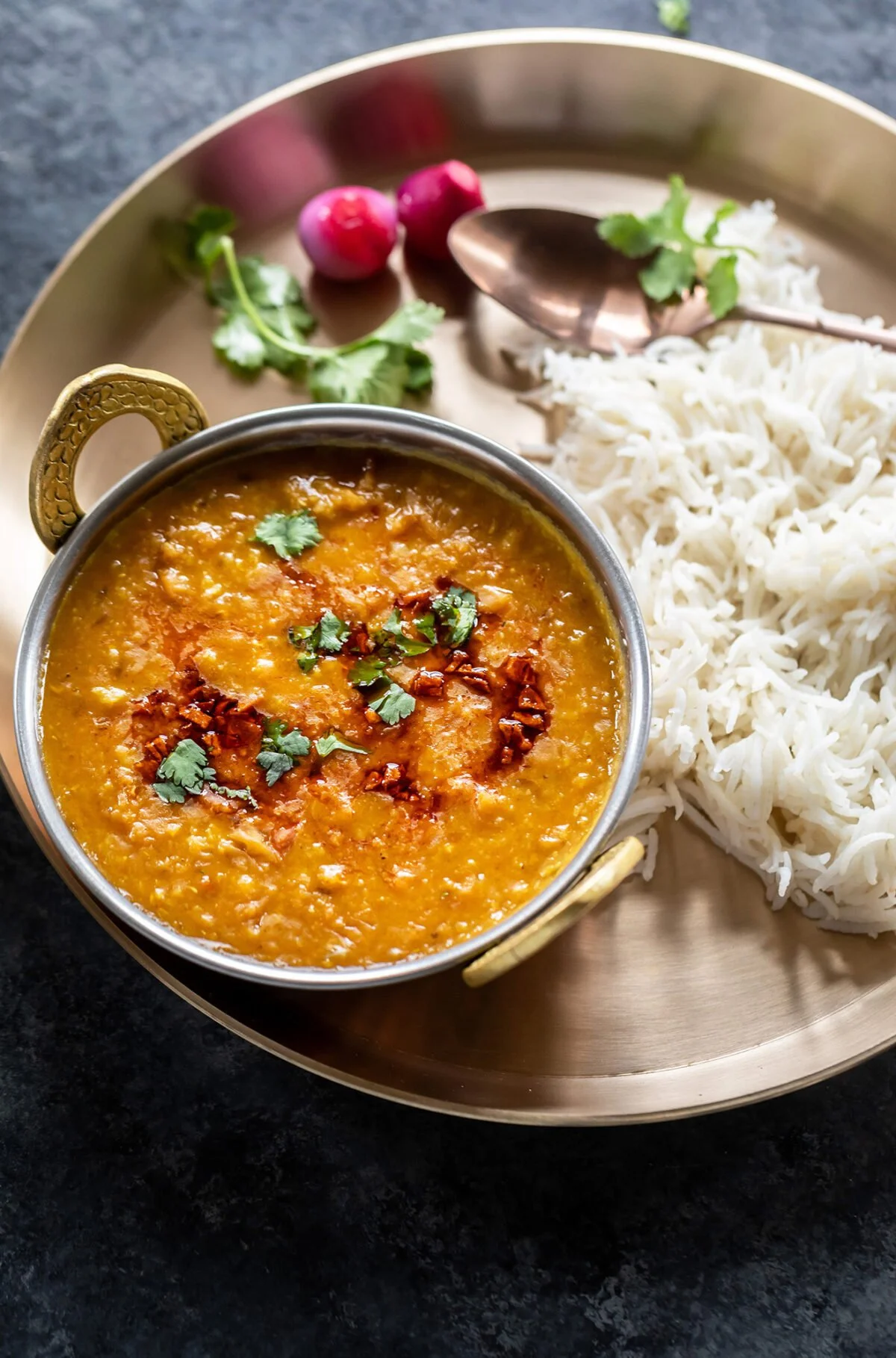
Bringing It All Together
Indian cooking is a blend of method and magic—one that makes every meal memorable, yet easy to repeat at home or order from your favorite delivery kitchen.
If you’re short on time, lean on these classic techniques; they’re the secret to meals that are affordable, flavorful, and reliably delicious.
Ready to put these traditions into action? Remember: with the right method, you can enjoy restaurant-worthy Indian food—no matter your schedule.
Essential Traditional Indian Cooking Techniques
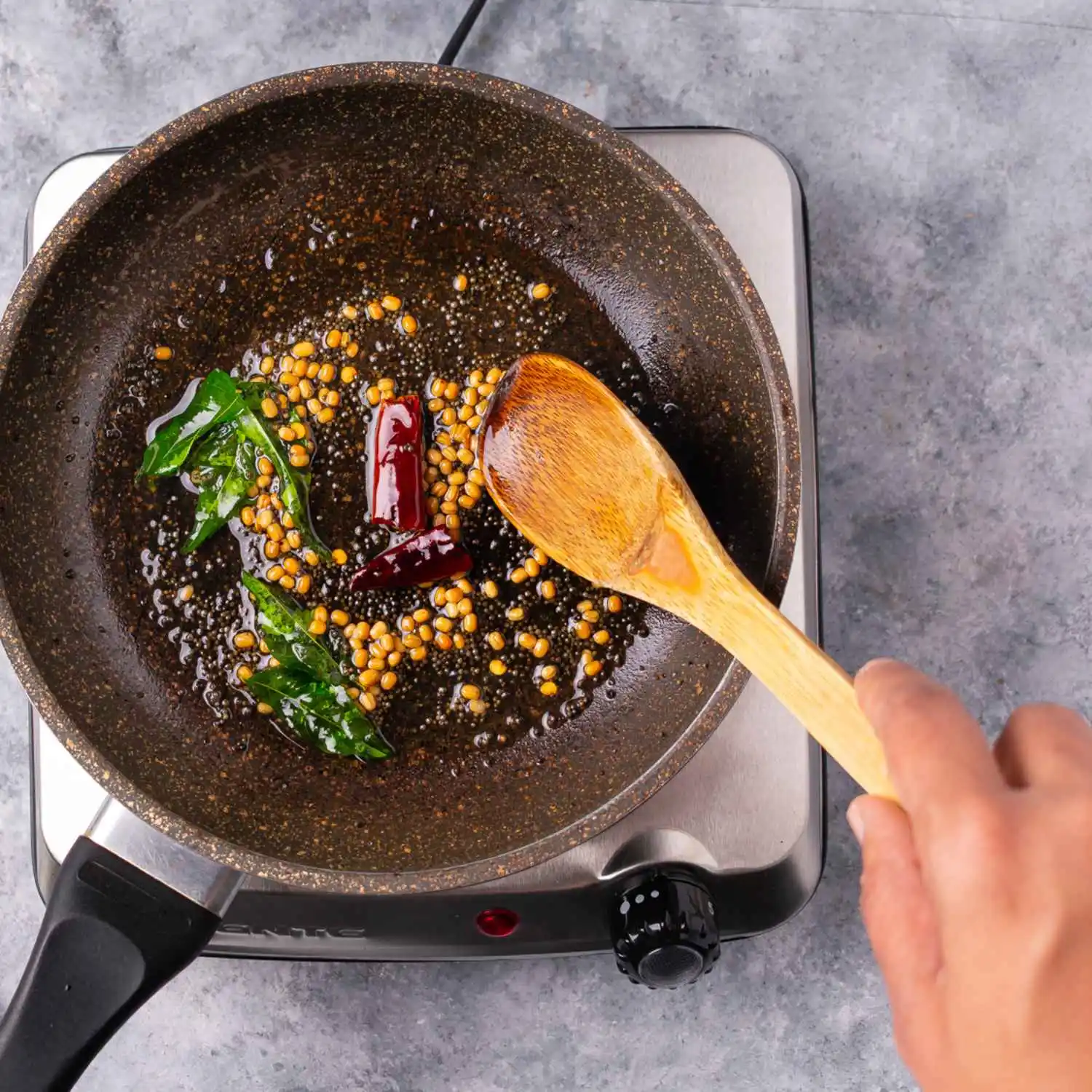
Tadka (Tempering)
Tadka—also called tempering—is the flavor shortcut every busy kitchen needs.
Just heat oil or ghee, toss in whole spices like cumin seeds, mustard seeds, curry leaves, or dried chilies, and let them sizzle until aromatic.
- This quick step unlocks robust flavor and rich aroma in seconds.
- Most often used in dals, curries, and vegetable stir-fries.
Always add spices to hot (but not smoking) oil for best results, but stand back—spices can pop!
Pro tip: “A good tadka can turn even a simple dal into a crave-worthy comfort dish.”
Picture this: A swirl of golden, spice-infused ghee transforming plain lentils right at your kitchen table—a moment worth sharing.
Bhuna (Sautéing & Caramelizing)
Bhuna means to sauté and slow-caramelize—think of it as the Indian way to build a deep-flavored curry base.
Start with chopped onions and garlic, and cook slowly with spices until deeply golden.
This method:
- Develops sweet, jammy onions
- Layers spices for a rich, bold sauce foundation
Classic North Indian curries, like butter chicken, owe their complex taste to a proper bhuna.
Quotable: “Bhuna is where magic happens—building bold, balanced flavor in every bite.”
Dum (Dum Pukht / Slow Cooking)
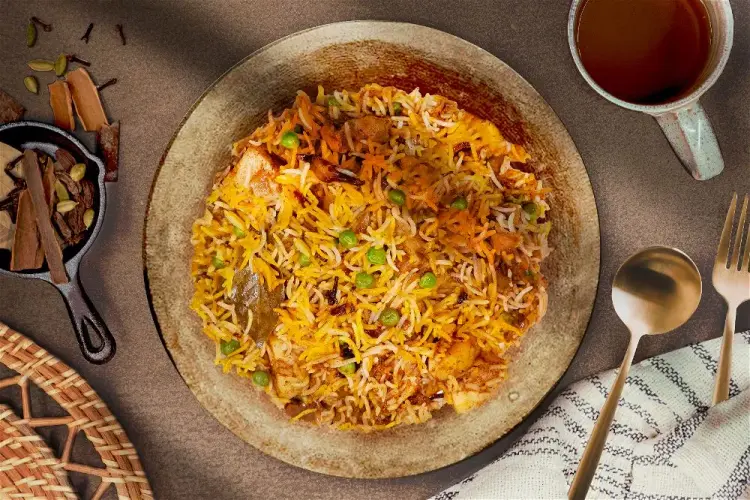
Dum—or slow-sealed cooking—delivers melt-in-your-mouth biryanis and festive mains.
- Layer rice, marinade, or spices in a heavy pot.
- Seal the lid with dough or foil for an airtight steam bath (or “dum”).
- Cook on low to lock in flavor and moisture, making meats tender and rice fluffy.
Popular for biryani, korma, or making Eid treats at home, dum turns ordinary gatherings into special occasions with minimal effort.
Memorable: “Sealing in flavor, one pot at a time—dum gives you that wow factor for celebrations.”
Tandoor Cooking
Feel the sizzle: Tandoor cooking means exposing breads and proteins to intense, smoky heat in a clay oven.
Famous dishes include:
- Naan and tandoori roti
- Tandoori chicken and juicy kebabs
No clay oven at home? Replicate the flavors using electric tandoors, high-heat ovens, or even BBQs for authentic results right in Toronto kitchens.
Key tip: Cook safely—use heat-resistant gloves and marinate for extra juiciness.
Steaming
Steaming is your secret for nutrition-packed, light-textured Indian favorites.
- Use for idli, dhokla, momos, or festival sweets like modak.
- Essential equipment: stackable steamers, idli plates, or bamboo baskets.
Steaming keeps color, moisture, and vitamins intact—ideal for vegetarian and health-focused meals.
“Steamed idlis are fluffy clouds on a plate—healthy, quick, and family-friendly.”
Deep-Frying (Talina/Talna)
Deep-frying transforms snacks into crispy, golden comfort with Indian classics like samosas, pakoras, and pooris.
- Heat oil to 350°F for best crunch with less oil absorption.
- Use neutral oils (sunflower or canola) for flavor and safety.
Fry in small batches and drain well for crisp, delicious results—perfect for sharing during movie nights or gatherings.
Did you know? Even at home, you can enjoy restaurant-style crispness by watching temperature and using fresh oil.
Choose these essential techniques to bring India’s most-loved flavors right to your kitchen—whether you’re cooking for one or feeding a crowd, the right method makes every meal easier and more delicious.
Key Tools and Equipment in Indian Cooking
The right tools are the secret to unlocking authentic Indian flavors—and making meal prep easier, faster, and safer for busy households in Toronto, Brampton, and beyond.
These essentials streamline your routine whether you’re crafting perfect rotis, simmering curries, or blending spice mixes for weeknight dinners.
“With just a few core pieces, you can enjoy restaurant-quality Indian meals without the mess or stress.”
—
Tawa, Karahi, and Pressure Cooker
Connect with Indian cooking like never before by investing in:
- Tawa: A wide, flat griddle that makes crisp parathas, soft rotis, or golden dosas in minutes. Non-stick tawa pans are now widely available, making clean-up effortless.
- Karahi: This deep, sturdy wok-style pan is the workhorse for frying pakoras, simmering curries, or tossing stir-fried veggies.
- Pressure Cooker: A game changer for GTA kitchens, pressure cookers cut traditional slow-cooking times in half—so lentils, biryanis, or stews go from hours to under 30 minutes.
Safety tip: Always check steam valves on your pressure cooker before use and let cool before opening for best results and safe handling.
—
Spice Tools: Masala Dabba, Mortar & Pestle, Spice Grinders
Elevate every dish by organizing and preparing your spices like a pro:
- Masala Dabba: A round, stainless steel spice box keeps your most-used spices at your fingertips—ideal for busy moms or anyone who needs to work fast.
- Mortar & Pestle: Hand-grinding whole spices releases deep, complex aromas that electric grinders just can’t match.
- Spice Grinder: Electric models make quick, consistent work of spice blends—perfect when time is tight.
Hand-ground spices offer intense, layered flavor, while grinders deliver speed and convenience for modern schedules.
—
Modern Essentials: Blenders, Food Processors, and Electric Appliances
Today’s Indian kitchens balance tradition with modern convenience:
- Blender or Food Processor: Create silky chutneys, pureed masalas, or smooth batters for idli and dosa in just seconds.
- Electric Tandoor or Air Fryer: Enjoy smoky tandoori flavors or crisp samosas with far less oil—aligning with health-conscious, time-strapped lifestyles in the GTA.
- Safety and Cleaning: Always unplug and rinse removable parts straight after use for effortless cleaning and long appliance life.
—
When your kitchen is stocked with just a handful of essential tools, preparing Indian meals becomes convenient and stress-free—whether it’s classic dal or modern fusion favorites. “Simplify mealtime, not the flavor—you deserve both speed and authenticity every night of the week.”
Modern Innovations in Indian Cooking
Fusion Techniques and Global Influences
Picture this: butter chicken pizza sizzling fresh out of the oven, oozing with mozzarella and hints of garam masala.
Toronto’s kitchens are now blending authentic Indian spices with world favorites, creating fusion dishes like:
- Butter chicken pizza – a GTA crowd-pleaser
- Masala pasta tossed with paneer and bell peppers
- Tandoori tacos bringing smokiness to taco night
Home cooks and chefs across Brampton, Mississauga, and Etobicoke love giving classics a global twist, while still respecting vegetarian, vegan, and halal diets. “Every bite tells a story that crosses continents—without leaving your dining room.”
Health-Conscious and Time-Saving Methods
Modern Indian recipes are all about simplicity, nutrition, and speed.
You’ll see families and students swapping out heavy fats and adding:
- Less oil, more vegetables and leafy greens
- Alternative grains like quinoa or brown rice (boosting fiber and cutting cook time)
- Canadian-grown superfoods such as chia and kale for extra nutrition
Cooking at home? Sub in olive oil or avocado oil for ghee to lighten up curries—without losing flavor. Busy evenings call for simple prepping, batch-cooking, and freezing, so you can enjoy wholesome, homemade meals in under 30 minutes.
“A vibrant vegetable curry can save your budget and your time—without sacrificing taste.”
Contemporary Cooking Techniques and Technology
Tech is simplifying tradition faster than ever. GTA households love using electric tandoors, air fryers, and Instant Pots because:
- Electric tandoors and ovens bring out tandoori flavor—no clay oven required
- Air fryers make crispy samosas using up to 75% less oil
- Multi-cookers can prep dal or biryani in half the classic cook time
Restaurants and expert home cooks are leveling up with sous-vide (for perfectly tender kebabs), molecular gastronomy (think spherified mango chutney), and dehydration for snacks and garnish. “Modern gadgets keep Indian flavors bold, but your kitchen routine effortless.”
For anyone in Toronto or Mississauga, upgrading your kitchen with the right tools means you can nail restaurant-quality Indian favorites on a tight schedule—without the mess or fuss.
Indian food innovation is all about making authentic flavors more accessible, healthy, and quick for every lifestyle. Try one new twist, and you’ll see: great meals can be both modern and meaningful.
Comparing Traditional and Modern Techniques
Side-by-Side Comparison
Indian cuisine thrives on a dynamic balance of time-honored traditions and bold, modern innovations.
Picture this: On one side, you have the signature aroma of a slow-cooked biryani; on the other, a vibrant quinoa chaat whipped up in minutes.
Here’s a quick breakdown you can use when deciding which method fits your weeknight or weekend:
- Ingredients:
- Traditional: Fresh, local produce; hand-picked spices; classic ghee and whole grains
- Modern: Superfoods like quinoa, chia, kale; global ingredients; lighter oils such as olive or avocado
- Tools:
- Traditional: Mortar & pestle, clay pots (chulha), tava, masala dabba
- Modern: Electric spice grinders, multi-cookers, air fryers, sous-vide devices
- Processes:
- Traditional: Slow simmering; tadka (tempering); dum (sealed slow-cooking); deep-frying for crispness
- Modern: Batch-prepping, air frying for less oil, sous-vide for precision, dehydrating for snacks
- Outcomes:
- Traditional: Comfort-food authenticity, rich layers of flavor, family-style portions
- Modern: Creative twists, lighter meals, health-driven presentation—think tandoori tacos or butter chicken pizza
You’ll often see a kitchen blending these methods to get classic flavors faster, or to make an old favorite just a bit healthier.
“Tradition brings the soul, innovation brings the spark.” That’s a quote you’ll want to pin to your fridge.
When to Use Each Approach
Not sure which method to pick tonight? Match the process to your day:
- Quick fixes (20 minutes or less): Use pre-blended masalas, electric cookers, and air fryers for lighter and faster meals—perfect for busy weeknights.
- Weekend and celebration cooking: Try slow-cooked biryanis, homemade rotis on a tawa, or a proper tadka with a sizzle—ideal for sharing with family or guests.
- Health needs or dietary goals: Substitute traditional fats for olive oil, swap white rice with brown or cauliflower rice, or pack in more Canadian superfoods like lentils and kale.
- Taste adventure: Mix both! Add a fusion twist by making masala pasta or try steaming momos with global fillings.
Practical Takeaway
Blending traditional and modern techniques can transform any kitchen—authentic Indian flavor meets 21st-century convenience. Whether you’re nostalgia-driven or time-crunched, you always have a delicious solution at hand. Your kitchen, your rules… and your week just got a whole lot tastier.
Practical Tips for Home Cooks in the GTA
Making Indian Cooking Easy and Accessible
When you’re in Toronto, Brampton, Mississauga, or Etobicoke, finding fresh, halal, and local ingredients for Indian meals is easier than ever.
Check out local favorites like:
- Nations Fresh Foods
- Iqbal Halal Foods
- No Frills (great for budget-conscious families)
With so many South Asian grocery stores and neighborhood markets, sourcing spices, lentils, and halal meats can be as quick as a stop on your way home.
For faster weeknight meals, adapt classic methods:
- Use a pressure cooker to make dals or biryanis up to 60% quicker than slow stove-top recipes.
- Try pre-chopped frozen veggies to cut prep time in half.
- Make spice blends in advance, storing them in airtight containers to preserve freshness and save time.
Store leftovers safely:
- Cool foods completely before refrigerating to avoid moisture buildup.
- Use glass containers for quick reheating and visible storage.
- Reheat curries gently in the microwave or on the stove, adding a splash of water to keep them moist.
“Picture this: in just 15 minutes, you’re enjoying homemade chana masala after a long workday—no compromise on taste or quality.”
Food Safety and Quality Considerations
Food safety is non-negotiable, especially with family meals.
Look for brands and meal services with:
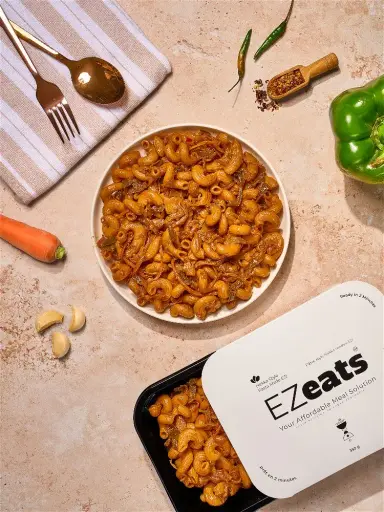
- SQF Certification (like EZeats) for quality assurance
- Verified halal compliance (HMA or equivalent marks)
- Transparent sourcing of ingredients
Handle raw foods and spices with care:
- Store spices in cool, dry places and use within 1 year for best flavor
- Keep raw meats separate from fresh veggies to avoid cross-contamination
- Always refrigerate cooked meals within 2 hours
Take advantage of local resources—meal delivery services like EZeats provide peace of mind by combining professional kitchens, strict safety standards, and reliable packaging.
“Busy families can trust every EZeats meal is handled with the same care you’d expect in your own kitchen.”
Real-World Solutions for Busy Lives
You don’t need to be a chef or have endless free time to eat well.
Try these practical, family-approved tricks:
- Batch-cook a big pot of curry and freeze portions for the week
- Swap ghee for lighter oils like sunflower or avocado for a health boost
- Add locally grown veggies—like Ontario kale or squash—for fresh flavor twists
See how real EZeats customers use convenient meal subscriptions to save time:
- University students fitting meals between classes and shifts
- Working parents skipping grocery runs and meal prep stress
- “We love that everything’s ready to heat and eat,” shares one Mississauga mom
Let EZeats combine timeless Indian techniques and smart shortcuts so you can bring restaurant-quality flavors home—no stress, just more free time.
Choosing the right technique and a few modern hacks helps GTA home cooks enjoy Indian cuisine’s variety and quality—no matter how packed their schedule or limited their kitchen skills.
Conclusion
Unlocking authentic Indian flavor at home isn’t just for experts—it’s a smart, achievable solution for anyone, even on your busiest days in the GTA. By mastering a handful of simple yet powerful techniques, you can turn quick weeknight dinners into restaurant-worthy experiences—without sacrificing your free time or budget.
The best part? These methods were created for families like yours, with convenience, affordability, and delicious variety at their heart.
—
Key Takeaways:
- Start with core techniques like tadka, bhuna, and steaming for maximum flavor with minimum fuss.
- Stock your kitchen with a few essential tools—a tawa, quality spice grinder, and pressure cooker streamline meal prep.
- Batch-prep spice blends and freeze portions to enjoy homemade Indian meals on your own schedule.
- Opt for healthy swaps—think lighter oils or more local veggies—for modern nutrition without compromise.
- Trust local resources and meal services like EZeats for food safety, halal compliance, and genuine taste.
—
Next Steps:
- Choose one new technique to try in your next meal—maybe a quick tadka on lentils or bhuna for a rich curry base.
- Visit your neighborhood South Asian market for fresh spices, or let a reputable meal service take care of the prep for you.
- Share a homemade Indian meal with friends or family—snap a photo, and inspire others to make mealtime meaningful.
—
Your kitchen, your pace—great food should always fit your life, not the other way around. With the right approach, you can bring the magic of Indian cooking into your home and onto your table—conveniently, affordably, and deliciously—every single week.
There’s joy in every bite you create—so take the next step, and let those authentic flavors bring your busy days together.
FAQs
1-What are the most Popular Cooking Techniques Used in Indian Food?
Some of the most Popular Cooking Techniques Used in Indian Food include tadka (tempering), bhuna (sautéing), dum (slow cooking), tandoor roasting, steaming, and deep-frying. Each enhances flavor differently, making everyday meals taste restaurant-quality at home across the GTA.
2-How can I cook Indian food faster without losing flavor?
Time-saving tools like pressure cookers and air fryers help cut cooking time by more than half while still preserving authentic taste. Meal services are another smart solution—discover budget-friendly food delivery options in Toronto here: Cheapest Food Delivery Services in the GTA
3-What tools do I need for popular Indian cooking techniques?
A tawa, karahi, spice grinder, and pressure cooker are the most practical starting tools. These make it easy to cook rotis, curries, and rice dishes quickly and efficiently—especially for apartment kitchens in Toronto, Brampton, and Mississauga.
4-Are Popular Cooking Techniques Used in Indian Food healthy?
Yes — steaming, tandoor cooking, and air-frying are excellent low-oil methods. Even traditional techniques like tadka can be made healthier using lighter oils.
Read more about how cooking methods impact nutrition here:
➡ Spice & Nutrition Research
5-Can I order meals that use these traditional cooking techniques?
Absolutely! Many local services prepare meals using authentic Indian cooking techniques like bhuna and dum—keeping flavor bold and quality high.
editor's pick
latest video

news via inbox
Nulla turp dis cursus. Integer liberos euismod pretium faucibua